



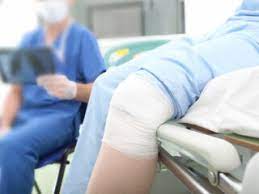
As we age, our bones, joints, and muscles naturally undergo changes that can significantly affect mobility and quality of life. Orthopaedic care for elderly patients — known as geriatric orthopaedics — addresses these age-related musculoskeletal changes with specialised treatment strategies designed to keep seniors active, independent, and pain-free.
Why Bone and Joint Health Declines with Age
Several physiological changes occur as we get older that directly impact the musculoskeletal system:
- Bone density loss: Peak bone mass is achieved in the late 20s. After 35, we gradually lose bone density. In women, menopause accelerates this process dramatically, leading to osteoporosis.
- Cartilage degeneration: Articular cartilage gradually wears down, leading to osteoarthritis — the most common joint condition in the elderly.
- Muscle loss (sarcopenia): Muscle mass and strength decline from the 5th decade, reducing joint stability and increasing fall risk.
- Reduced flexibility: Ligaments and tendons become stiffer, limiting range of motion.
- Slower healing: Fractures and surgical wounds heal more slowly in elderly patients, requiring longer rehabilitation.
Common Orthopaedic Conditions in the Elderly
Osteoarthritis
The most prevalent condition among older adults. Osteoarthritis causes cartilage breakdown in weight-bearing joints — knees, hips, and spine most commonly. Symptoms include pain with activity, morning stiffness, joint swelling, and progressive difficulty walking. When conservative measures fail, joint replacement surgery can dramatically restore function and eliminate pain.
Osteoporosis and Fragility Fractures
Osteoporosis causes bones to become porous and weak, increasing fracture risk from minor falls or everyday activities. The most serious consequence is hip fracture — a major cause of morbidity and mortality in the elderly. Wrist fractures, vertebral compression fractures, and shoulder fractures are also common. Prevention through calcium and vitamin D supplementation, weight-bearing exercise, and anti-osteoporotic medications is as important as treatment.
Hip Fractures
Hip fractures in the elderly are surgical emergencies. Early surgery (within 48 hours of fracture) significantly reduces mortality and complications. Most hip fractures are treated with either hip hemiarthroplasty (replacing the femoral head) or total hip replacement, depending on the fracture type and patient’s activity level.
Spinal Conditions
Vertebral compression fractures from osteoporosis, lumbar spinal stenosis (narrowing of the spinal canal causing leg pain and weakness), and degenerative disc disease are common in elderly patients. Non-surgical management is preferred, with surgery reserved for cases causing severe neurological symptoms or uncontrolled pain.
Knee Replacement in the Elderly
Total knee replacement is one of the most successful surgical procedures in geriatric medicine. Studies consistently show excellent outcomes even in patients in their 70s, 80s, and beyond. Age alone is not a contraindication — overall health, cardiac and respiratory fitness, and patient motivation are more important factors.
Special Considerations for Orthopaedic Surgery in Elderly Patients
Surgery in older patients requires careful planning to minimise risk:
- Comprehensive pre-operative assessment: Cardiac, respiratory, renal, and nutritional evaluation before elective surgery
- Medication review: Blood thinners, diabetes medications, and cardiac drugs need careful peri-operative management
- Anaesthesia choice: Spinal anaesthesia is often preferred for lower limb surgery in the elderly — it reduces blood loss, avoids general anaesthetic risks, and allows faster recovery
- Blood conservation: Pre-operative haemoglobin optimisation, intra-operative cell salvage, and tranexamic acid to minimise transfusion need
- Rapid rehabilitation: Early physiotherapy — ideally starting the day after surgery — is critical to prevent complications like deep vein thrombosis and pneumonia
- Fall prevention: A comprehensive fall prevention programme during hospital stay and after discharge is essential
Physiotherapy and Rehabilitation for Elderly Orthopaedic Patients
Rehabilitation is the cornerstone of successful outcomes in geriatric orthopaedics. A structured physiotherapy programme following joint replacement or fracture repair includes:
- Bed exercises starting Day 1 post-surgery (ankle pumps, quad sets, heel slides)
- Standing and walking with support from Day 1–2
- Progressive gait training — frame → elbow crutches → walking stick
- Stair climbing practice before discharge
- Home exercise programme with specific targets
- Outpatient physiotherapy follow-up
Keeping Seniors Mobile: Prevention Strategies
The best orthopaedic care for the elderly is prevention. Key strategies include:
- Weight management: Reduces joint load significantly — essential for knee and hip OA
- Regular exercise: Low-impact activities like swimming, walking, and cycling maintain muscle strength and joint health
- Calcium and Vitamin D: Essential for bone health — most Indians are deficient in Vitamin D
- Home safety modifications: Grab bars, non-slip mats, good lighting, and removing trip hazards reduce fall risk
- Regular bone density screening: DEXA scans for women over 65 and men over 70, or earlier with risk factors
- Vision and hearing checks: Poor vision and balance issues contribute significantly to fall risk
Dr. Kunal Patel: Expert Geriatric Orthopaedic Care in Mumbai
Dr. Kunal Patel at Kneebotics, Punit Hospital, Borivali provides specialised orthopaedic care for elderly patients — from managing osteoarthritis conservatively to performing total knee and hip replacement surgery with advanced, minimally invasive techniques that prioritise rapid recovery and minimal risk.
His experience with elderly patients includes working with patients in their 70s, 80s, and beyond — tailoring surgical approaches and rehabilitation plans to each patient’s overall health and goals.
To consult Dr. Kunal Patel for geriatric orthopaedic care, call +91-9372737914 or visit Kneebotics, Punit Hospital, S V Road, Borivali West, Mumbai 400092. Clinic: Mon–Sat, 9–11 AM and 5–8 PM.
Author Info

No Comments